Pune Commercial Real Estate Trends 2026: Why Businesses Are Choosing Smarter Workspaces,
Showrooms & Warehouses
Pune's commercial real estate market is undergoing a significant transformation in 2026. The city has evolved from being primarily known as an automobile, education and IT hub into a diversified commercial market attracting technology companies, Global Capability Centres, startups, manufacturers, retailers, logistics operators and service businesses. As businesses expand and consumer markets grow, demand is increasing for strategically located offices, retail spaces, showrooms, warehouses and other commercial properties. Recent market activity indicates that Pune continues to attract substantial office demand. According to Cushman & Wakefield's Q2 2026 market report, Pune recorded 5.31 million sq. ft. of gross office leasing in the first half of 2026, while flexible workspace operators and Global Capability Centres remained important demand drivers. This growth is creating opportunities across several commercial property categories and changing how businesses evaluate locations.
Pune's Office Market Continues to Expand
The office sector remains one of the strongest components of Pune's commercial real estate market. Technology companies, financial services businesses, engineering companies and GCCs continue to look for modern workplaces that can accommodate growing teams while providing better amenities and connectivity. Locations such as Hinjewadi, Kharadi, Baner, Balewadi and Wakad continue to attract businesses because of their established commercial ecosystems and access to a large professional workforce. Businesses are increasingly looking beyond conventional office buildings and evaluating properties based on employee experience, accessibility, flexibility and long-term expansion possibilities.
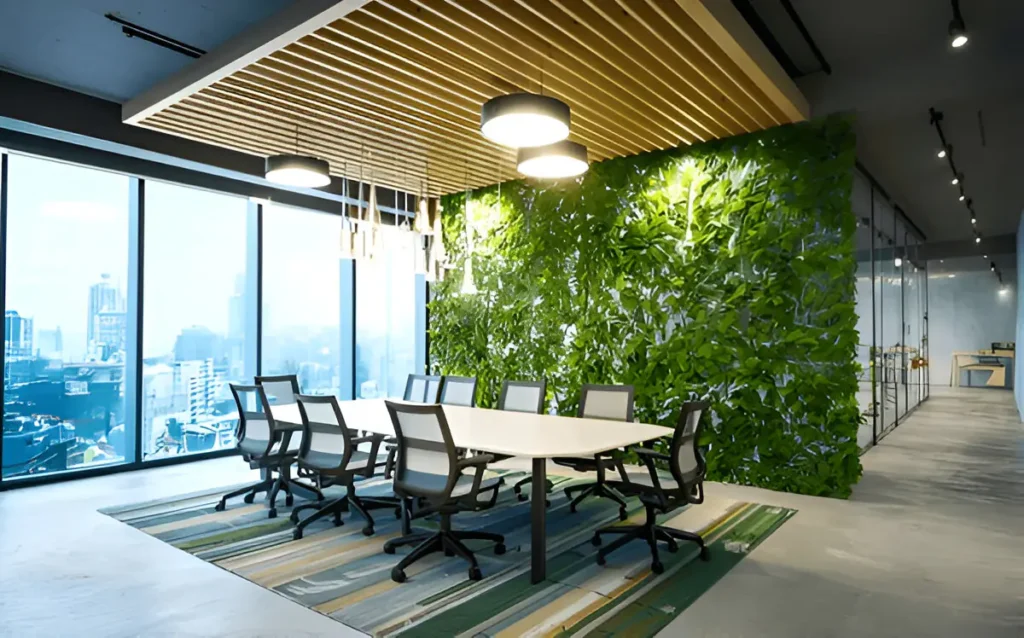
Businesses planning a new office or renovating an existing workplace can benefit from professional Office Interior Design services that combine functionality, corporate branding and employee comfort. A well-designed office can help businesses use available space efficiently while creating an environment that reflects their brand and work culture.
Flexible Workspaces Are Changing Business Requirements
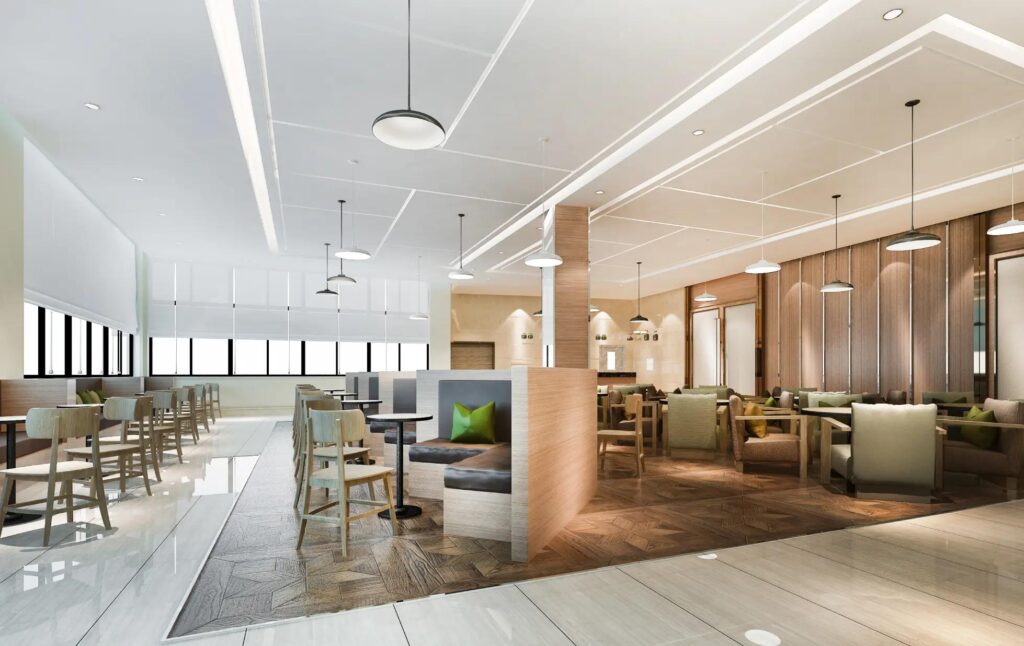
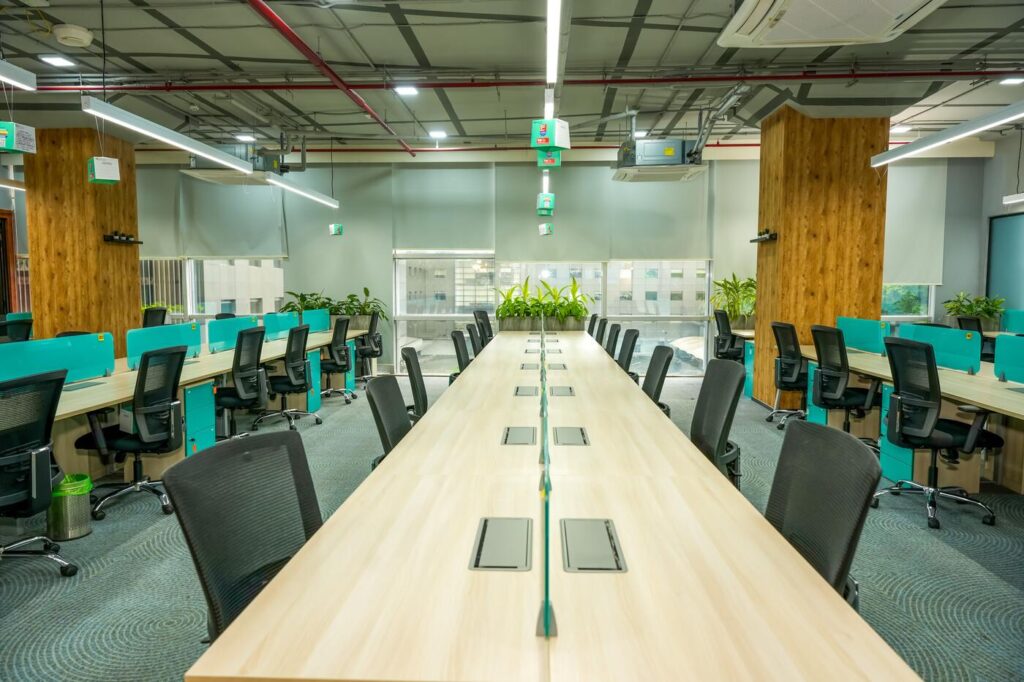
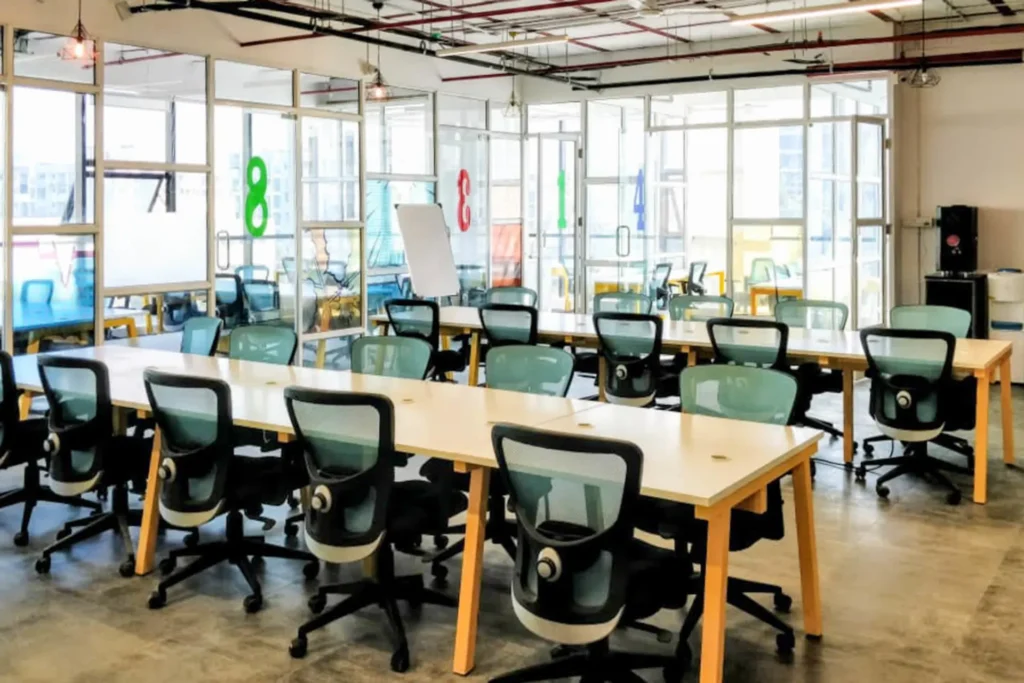
Another important trend in Pune’s commercial market is the growing demand for flexible and managed workspaces. Companies are increasingly looking for office solutions that can scale according to their workforce and operational requirements. For startups and growing companies, flexible offices can reduce the complexity associated with setting up and managing a traditional workplace. Larger organizations may also use flexible workspace solutions for satellite teams, project groups or temporary expansion.
The demand is particularly relevant in Pune’s established IT and business corridors, where companies want to remain close to employees, clients and other businesses. Instead of committing immediately to large conventional offices, some businesses are choosing spaces that allow them to expand gradually. This trend is also creating opportunities for commercial property owners who can convert suitable spaces into professionally managed workplaces. Properties with good connectivity, adequate parking, modern infrastructure and efficient floor plans can be particularly attractive to flexible workspace operators.
GCC Expansion Is Supporting Commercial Demand
Global Capability Centres have become an important part of India's commercial office market, and Pune is benefiting from this trend. GCCs operated by multinational companies require modern offices with reliable infrastructure, technology capabilities and access to skilled professionals. CBRE reported that GCCs accounted for 42% of India's office space take-up during Q2 2026, demonstrating the scale of demand generated by this segment. The impact of GCC expansion extends beyond office buildings. As corporate employment increases in a location, surrounding demand for restaurants, retail stores, healthcare facilities, fitness centres, convenience stores and other services can also increase. This makes areas with strong office ecosystems particularly attractive for businesses considering retail or commercial property. A showroom located close to a large employment centre can benefit from both residential and corporate customer segments.
Retail Showrooms Are Becoming More Strategic
Retail businesses are also changing the way they approach commercial property. Visibility, accessibility and customer experience are becoming increasingly important when selecting a showroom. Pune’s high-street retail markets are attracting businesses that want direct customer interaction and strong brand visibility. Locations such as Baner, Balewadi, Wakad, Kharadi and Viman Nagar offer different combinations of residential density, corporate activity and retail infrastructure.
For a retail brand, choosing the right showroom is not simply about finding a large space. The surrounding customer profile, road visibility, frontage, parking, nearby businesses and accessibility can have a direct influence on business performance.
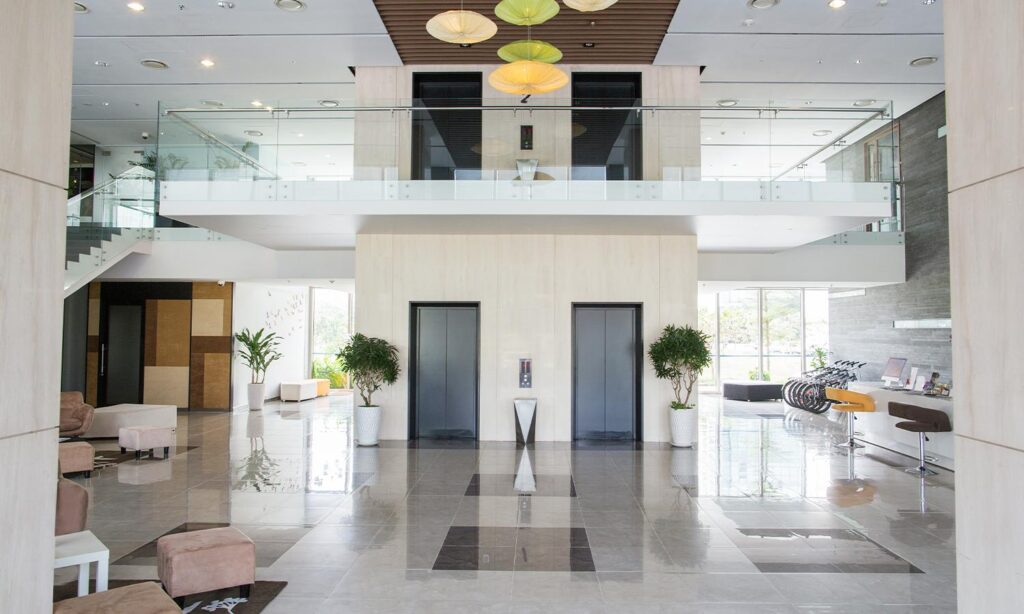
A well-planned showroom can further strengthen this advantage. Professional Commercial Interior Design can help businesses create attractive display areas, efficient customer circulation, branded interiors and functional spaces that support day-to-day operations.
Industrial and Warehouse Demand Remains Strong
Pune’s industrial ecosystem is another major driver of commercial property demand. Manufacturing clusters around Chakan, Talegaon, Bhosari and Ranjangaon continue to support requirements for warehouses, distribution centres, industrial facilities and logistics spaces. The growth of e-commerce and organized supply chains is also increasing the importance of strategically located warehousing. Businesses need facilities that provide efficient loading and unloading, adequate storage capacity, truck accessibility and connectivity to major transportation routes.
Chakan is particularly important because of its established automotive and manufacturing ecosystem. Talegaon and surrounding industrial areas also benefit from connectivity to major highways and industrial corridors. For companies searching for warehouse space, the decision should therefore consider more than rental or purchase price. Clear height, floor loading capacity, loading docks, vehicle movement, power availability, fire safety, parking and proximity to major transportation routes can all influence operational efficiency.